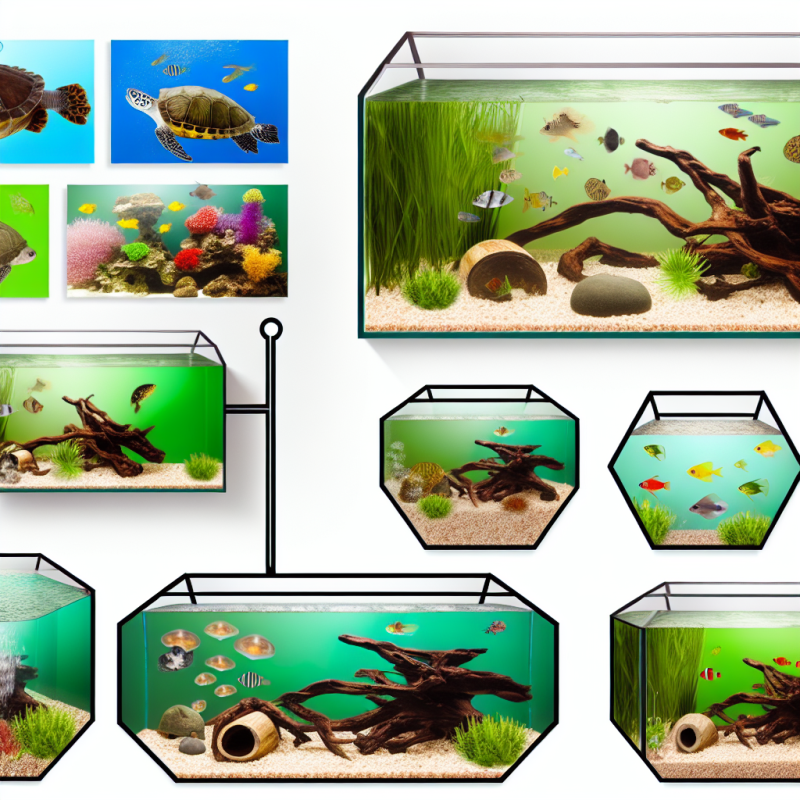
Keeping your aquarium healthy means paying close attention to water quality. It's like the foundation of your underwater world. If your water is off, everything else can go downhill fast, like fish getting sick or plants struggling to grow. So, how do you keep your water in tip-top shape? Let’s dive into the basics!
First up, pH levels. This measures how acidic or alkaline your water is. Most fish love a specific range, usually between 6.5 to 7.5. If your pH swings too far one way or the other, it can stress out your fish. Grab a reliable pH test kit to check your water regularly. If the numbers don’t look right, don’t panic! You can adjust pH using commercial products or natural methods like adding certain plants.
Next, let’s talk about ammonia, nitrite, and nitrate. These three amigos tell a lot about your tank's health. Ammonia is toxic to fish, even in small amounts, so it should always be at zero. After ammonia, bacteria in your tank convert it to nitrite, which is also harmful. But don’t worry; nitrite is transformed into nitrate, which is less harmful at lower levels. Keep an eye on these levels with an easy-to-use water testing kit. If you see high numbers, it might be time for a water change!
Lastly, don't forget about dissolved oxygen. Fish need it to breathe, just like we do. You can boost oxygen levels by adding a good air pump or keeping plants in your tank, which release oxygen during the day. A well-oxygenated tank keeps your fish lively and happy.
Taking care of water quality may seem like a lot, but it’s the key to a thriving aquarium. With a little attention, you can enjoy a beautiful and healthy underwater environment. Happy fishkeeping!
Signs of Poor Water Quality
Keeping an eye on your aquarium's water quality is crucial. Poor water quality can easily stress your fish and even lead to health problems. Here are some signs you should look out for.
Cloudy Water: If your tank water looks cloudy, that’s a red flag. It could mean excess bacteria, algae, or uneaten food breaking down. Clear water should be your goal!
Unpleasant Odors: Aquariums should smell fresh, not stinky! A strong, foul odor usually indicates that something’s not right. This could mean a buildup of waste or decaying food.
Unhealthy Fish: If your fish are acting strange, it’s time to investigate. Look for signs like lethargy, cambios in color, or unusual swimming patterns. These symptoms often point to water issues.
Easy Ways to Test Aquarium Water
Testing your aquarium water doesn’t have to be a chore! It’s super important to keep an eye on water quality since it affects the health of your fish and plants. Here are some easy ways to do it.
First up, grab a good water test kit. You can find kits that test for pH, ammonia, nitrites, and nitrates. These are key factors for maintaining a healthy tank. Just follow the instructions that come with the kit. It usually involves mixing a water sample with a few drops of test solution and waiting for a color change. Simple, right?
If you want something even easier, consider using test strips. You simply dip a strip in your tank water, wait a minute, and compare the colors on the strip to the chart provided. It gives you quick results and shows you if something's off.
Don’t forget about a digital meter! These gadgets can quickly measure pH and other parameters. They’re a bit pricier but super handy if you want consistent accuracy over time.
Check your water regularly—especially after water changes or adding new fish. It helps catch problems early so you can take action before any fish get stressed. Keeping tabs on your aquarium water quality keeps your underwater world thriving and looking great!
Tips for Maintaining Clean Water
Keeping your aquarium water clean is super important for the health of your fish and plants. Here are some easy tips to help you maintain that crystal-clear water you want.
First, use a good quality filtration system. A reliable filter helps remove waste and toxins, making the water safe for your aquatic friends. Look for filters that match the size of your tank and the needs of your fish. A little extra filtration can go a long way!
Regular water changes are key. Aim to replace about 10-15% of the water weekly. This helps control harmful chemicals and keeps your fish happy. Just make sure the new water is treated to remove chlorine and other nasties that can harm your tank.
Don’t forget about tank maintenance! Clean decorations and plants can collect debris. Use an aquarium vacuum to clean the substrate and a soft sponge for the walls. This keeps the environment fresh and prevents harmful bacteria from building up.
Finally, test your water regularly. Invest in a simple water testing kit to check levels of ammonia, nitrites, and nitrates. This helps you catch any problems early. Adjust as needed to make sure your fish live their best lives in a clean, safe home!