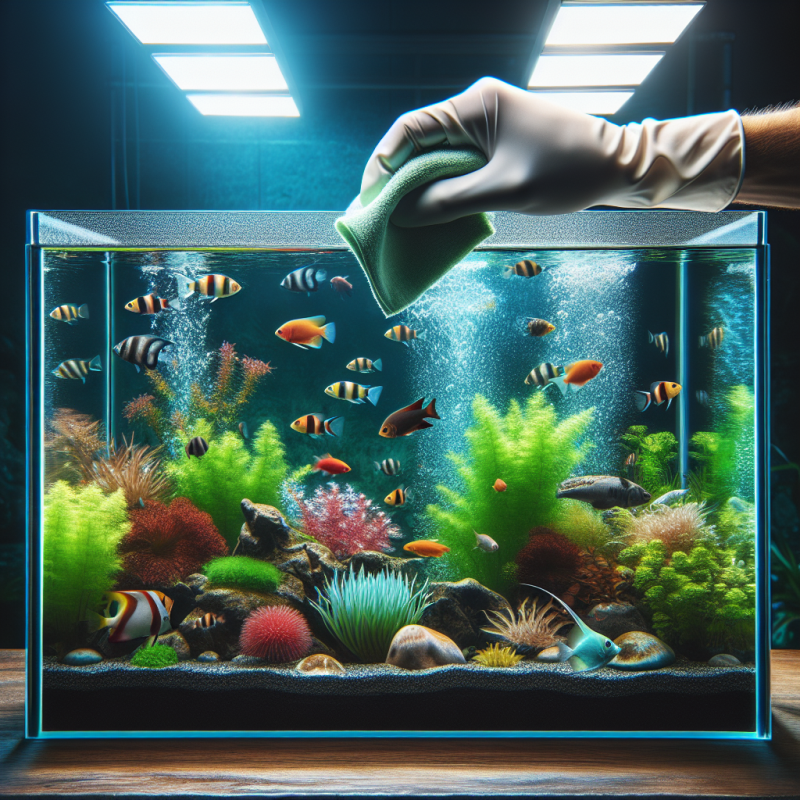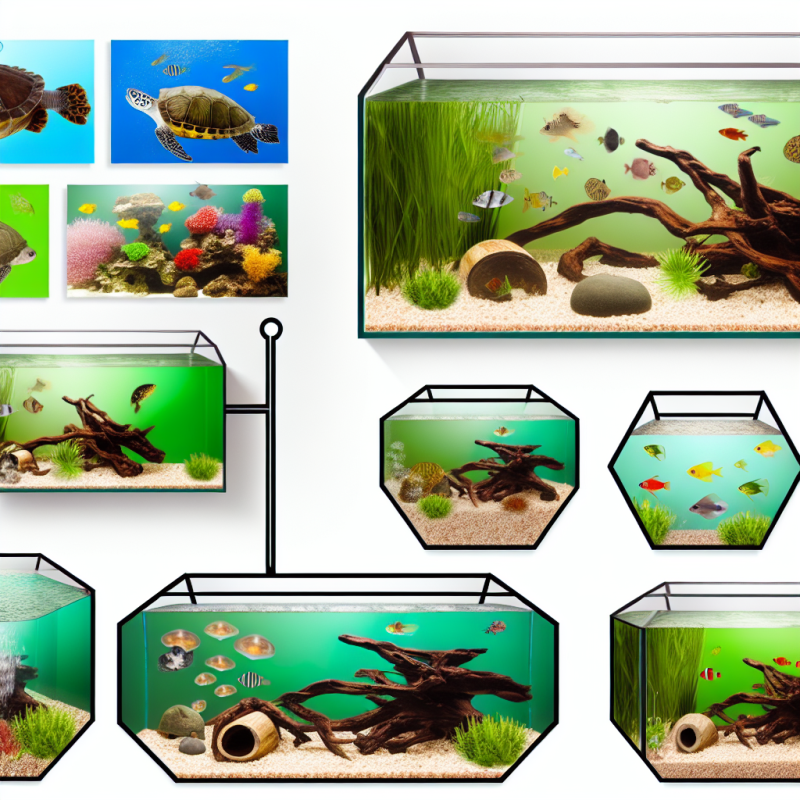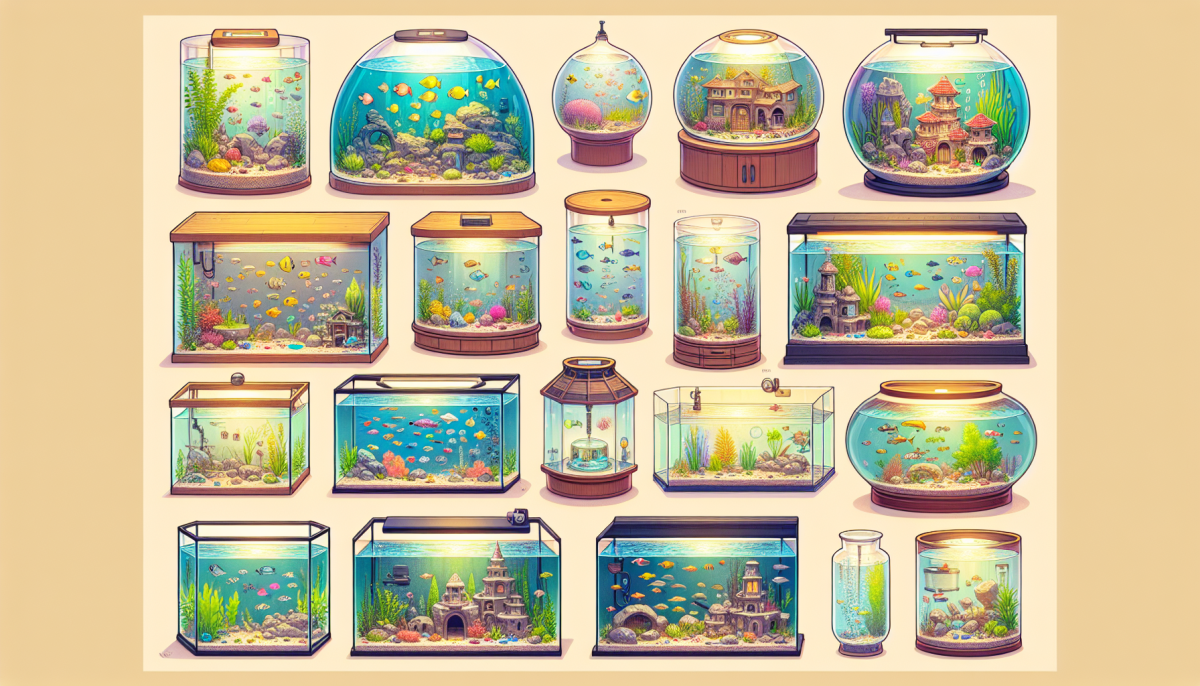
Setting up a freshwater aquarium can be a fun adventure! It’s a great way to bring a slice of nature into your home. Freshwater tanks are generally easier to manage than saltwater setups, making them perfect for both beginners and seasoned hobbyists.
To get started, you'll need a few basic essentials. First up, choose your tank size. A 20-gallon tank is a good starting point. It gives you enough space for fish and plants without overwhelming you. Next, grab a quality filter that keeps the water clean and healthy for your aquatic buddies.
Don’t forget about substrate! Gravel or sand makes a comfy place for fish to roam and plants to grow. Adding decorations and plants not only makes the tank look nice, but they also provide hiding spots for fish. You’ll want to include a heater if you're going for tropical fish. Most freshwater species thrive in warmer waters, around 75-80°F.
Choosing the right fish is important, too. Start with community-friendly species like guppies, tetras, or corydoras. They’re pretty small, easy to care for, and brings vibrant colors to your aquarium. Just remember to research their compatibility before adding new fish to ensure a happy, peaceful tank environment!
Saltwater Tank Essentials
If you're diving into the world of saltwater tanks, you’re in for a real treat. These tanks bring incredible marine life right into your home! To get started, there are a few essentials you'll want to gather.
First off, a good quality saltwater aquarium is a must. Aim for at least 30 gallons if you're just starting out. Bigger tanks are generally easier to maintain because they have a more stable environment. Then, you'll need a decent filtration system to keep the water clean and clear. Look for a model that's designed specifically for saltwater tanks.
Don't forget about heating! Most saltwater fish thrive in warmer water, so invest in a reliable heater. Keeping the temperature consistent is key to keeping your fish happy and healthy. And speaking of happy fish, getting high-quality salt mix is essential. A good mix will help you create the right salinity levels for your aquatic buddies.
Finally, you’ll want to add live rock and sand. Live rock is not just decoration; it helps establish beneficial bacteria in your tank. This is super important for maintaining a healthy environment. Live sand not only looks great but also supports countless tiny organisms that fish love.
With these essentials in hand, you’re well on your way to creating an amazing saltwater setup. Your fish will thrive, and you’ll enjoy every moment of your underwater adventure!
Aquascaping Ideas for Beginners
If you’re just getting into aquascaping, don’t worry! Creating a beautiful underwater landscape is easier than it sounds. Start with a simple layout and let your creativity flow. Here are some beginner-friendly ideas to kick off your aquascaping journey.
First, consider the “nature aquarium” style. This approach mimics natural landscapes you’d find in rivers or lakes. Use smooth stones, driftwood, and a variety of plants to give your tank that earthy feel. Position larger rocks or wood in the back and layer smaller plants in the front for a natural look.
Another fun idea is the “Dutch style.” This focuses on colorful plants and their arrangement. Think vibrant foreground plants and taller ones at the back. You can play with colors and textures to create a stunning visual effect. The best part? You can switch things up as often as you like!
If you want something super low-maintenance, try the “low-tech” aquascape. Use hardy plants like Java Fern or Anubias, which don't need a ton of light or CO2. Pair these with pebbles or sand, and you’re good to go. This style is perfect if you’re busy and want to enjoy your aquarium without a lot of fuss.
Remember, there are no hard rules in aquascaping. It's all about what makes you happy! Have fun experimenting with layouts, colors, and plants until you create a space that feels uniquely yours.
Choosing the Right Fish Partners
Picking the right fish for your aquarium is super important. You want a peaceful community that gets along and thrives together. First off, think about the size of your tank. If you’ve got a small setup, go for smaller species. Betta fish are colorful and fun, but they need to be alone or with peaceful friends to avoid fights.
Next, consider the water conditions. Some fish prefer warmer water, while others like it cooler. Research the specific needs of each species you’re interested in. For instance, guppies are pretty easy-going with temperature and water type, making them great for beginners. On the flip side, cichlids have their own set of rules and can be aggressive if not paired correctly.
What about compatibility? Always check if your chosen fish get along. Look for peaceful species like tetras or rasboras that can swim happily without the drama. Avoid mixing aggressive fish with those that are shy. You want your tank to be a chill space, not a battleground!
Lastly, don’t forget about the bottom dwellers! Adding catfish or shrimp not only helps keep the tank clean but also brings some variety to the mix. They can cohabitate with your colorful swimmers, adding more life to your underwater scene. Just make sure they fit in well with the rest of your fish friends.