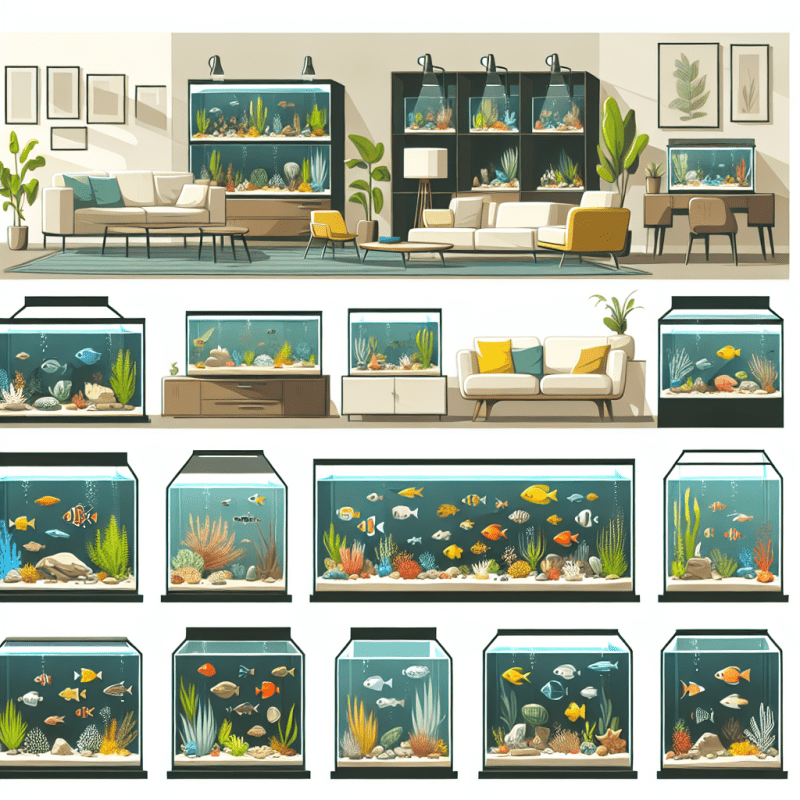
First, think about the type of pets you're getting. Different species have different space needs. For instance, small fish like neon tetras can thrive in a 10-gallon tank, but bigger guys like goldfish might need at least 20 gallons or more. So grab that notebook and jot down what type of fish you plan to keep!
Next up, consider the number of pets you want. More fish means you'll need a bigger tank to keep everyone comfy. A good rule of thumb is one inch of fish per gallon of water, but don't forget to leave some room for plants and decorations. It's all about balance.
Lastly, think about your setup location. If space is tight, a tall tank can give your pets room to swim without requiring a ton of floor space. Just make sure it's stable and secure, so there's no risk of it tipping over. Having the right size tank helps maintain good water quality and keeps your aquatic friends happy and thriving!
Best Materials for Long Lasting Aquariums
Choosing the right materials for your aquarium is super important if you want it to last. You want something tough, yet easy on the eyes. Let’s break down some of the best materials out there.
First up, glass tanks are the classic choice. They’re strong, scratch-resistant, and give you a clear view of your fish. Plus, they don’t yellow over time, so your underwater world stays vibrant. Just make sure to place it carefully, as glass can be heavy and break if dropped.
Then, there’s acrylic. This stuff is lightweight, easier to mold into different shapes, and insulated, which helps keep water temperature stable. It’s also shatter-resistant. You might need to be careful with scratches, though, as they can show up more easily than with glass. But, many people love the flexibility acrylic provides.
Another option is polyethylene. These tanks are usually used for ponds and larger setups. They’re durable, flexible, and can withstand harsh weather conditions if you’re keeping fish outdoors. They’re not quite as visually appealing as glass or acrylic, but they definitely get the job done.
Ultimately, pick a material that suits your needs and the environment of your fish. Whether you go with glass, acrylic, or polyethylene, make sure it meets your requirements. Your choice of material directly impacts the health and happiness of your aquatic friends!
Essential Features for Happy Aquatic Life
When setting up the perfect tank, there are some must-have features to keep your aquatic pets happy and healthy. Let’s dive into what you need to consider!
First off, proper filtration is a game-changer. A good filter keeps the water clean and removes toxins. Look for a filter that matches the size of your tank and fits your pets' needs. Remember, a well-filtered tank means less hassle for you and a happier home for them.
Next up, the heater. If you have tropical fish, a heater is essential. Fish thrive at specific temperatures, so grab a reliable heater to keep those waters cozy. Check the wattage based on your tank size, and you’ll be all set.
Don’t forget about lighting! The right lights not only keep your tank looking great but also support plant growth and create a natural day-night cycle for your fish. LED lights are a popular choice because they last longer and save on energy, too.
Lastly, consider decoration and hiding spots. Fish need spaces to feel secure, so adding plants, rocks, or caves can bring your tank to life and provide a sense of safety. A well-decorated tank isn’t just pretty—it’s essential for your pets' comfort!
Setting Up Your Tank Like a Pro
Setting up your tank doesn't have to be complicated. With a little planning and the right supplies, you can create a space that makes both you and your aquatic pets happy. Start by choosing the right location. Find a sturdy, stable surface away from direct sunlight. Too much sun can lead to algae blooms and overheating.
Next, think about the size of your tank. Bigger is usually better. It gives your fish more space to swim and makes it easier to maintain water quality. A 20-gallon tank works great for beginners, but if you have the room, go larger! You'll thank yourself later.
Once you've got your tank set, it’s time to add substrate and decorations. Choose a substrate that’s safe for your fish. Sand or gravel works well. Then, add plants, rocks, or other decorations to create hiding spots. Fish love having places to explore, so get creative here! Just make sure any decorations don’t have sharp edges that can hurt your fish.
After the decor, it's important to install a good filtration system and heater if your fish need warmer water. Cycle your tank before adding any fish. This means letting beneficial bacteria build up to keep the water safe. It typically takes about four to six weeks, but it's worth the wait for a healthy environment.
Finally, check water parameters regularly. Invest in a good test kit to monitor pH, ammonia, nitrite, and nitrate levels. Keeping these in check will ensure a thriving habitat for your aquatic friends. With these steps, you'll have a beautiful, welcoming tank that’s perfect for your pets!