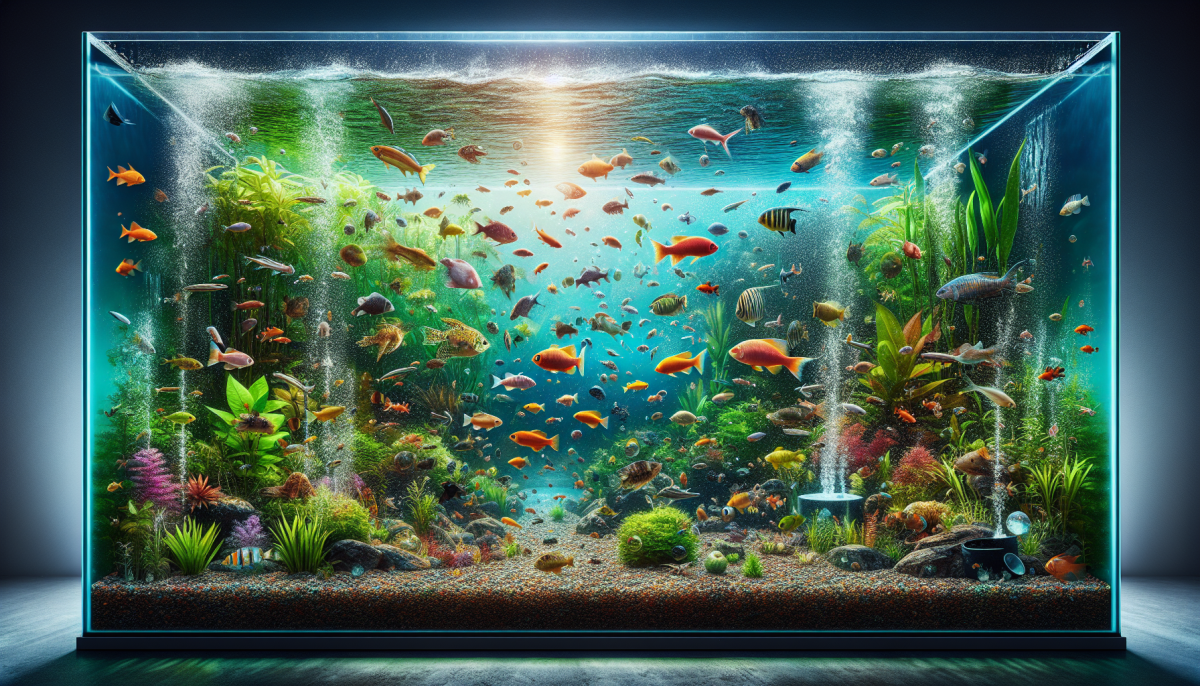
Water quality is super important for your aquarium. Think of it as the lifeblood of your fish and plants. If the water isn’t right, your fish can get sick, plants won’t thrive, and that beautiful setup can quickly turn into a big headache.
First up, let’s talk about the big three: ammonia, nitrite, and nitrate. Ammonia is toxic, even in small amounts. It usually comes from fish waste, leftover food, and decaying plants. Nitrite is another nasty one that builds up in the same way and is harmful too. Luckily, bacteria in a well-cycled tank can turn both into the less harmful nitrate, which is still something you want to keep in check.
You also need to pay attention to pH, temperature, and hardness. Each fish species has its own preferred range for these factors. If the pH is too high or low, it can stress your fish out. And the water temperature needs to match what your fish call home. Too hot or too cold, and you could have some unhappy swimmers!
Regular testing is key to keeping track of all these factors. Test kits are easy to find and make it simple to check levels. You can spot problems before they escalate. And don't forget about regular water changes! Swapping out some old water helps keep things fresh and healthy for your aquatic friends.
Signs of Poor Water Quality
Keeping an eye on your aquarium's water quality is super important. When the water isn’t just right, your fish can face a lot of stress, which can lead to health problems. Here are some signs that your water quality might be slipping.
First up, check the clarity of the water. If it looks cloudy or murky, that's a big red flag. Clear water usually means a healthy tank. Cloudiness can come from overfeeding, leftover food, or even bad bacteria. It’s a good idea to do a water change if you notice this.
Next, pay attention to the smell. Healthy aquarium water shouldn’t have a strong odor. If it smells funky or rotten, something’s definitely off. It could be decaying plants or uneaten food lurking in there. Addressing the cause is key to keeping your fish happy and healthy.
Watch for fish behavior, too. If your fish are acting lethargic or hanging near the surface, they might be struggling. Look for signs like gasping for air or hiding more than usual. This could signal poor oxygen levels or something else that’s bothering them.
Lastly, pH levels and ammonia readings are crucial. If you notice drastic changes in these parameters, it’s time to check your water source. Investing in a reliable water test kit will help you stay on top of things. Keeping your water balanced not only keeps your fish happy but also makes your tank a beautiful sight.
Improving Water Quality in Your Aquarium
Keeping your aquarium's water quality in check is key to having happy, healthy fish. If your water isn't clean, it can lead to all sorts of problems for your aquatic friends. Let's dive into some simple ways to make sure your tank stays sparkling clear and full of life!
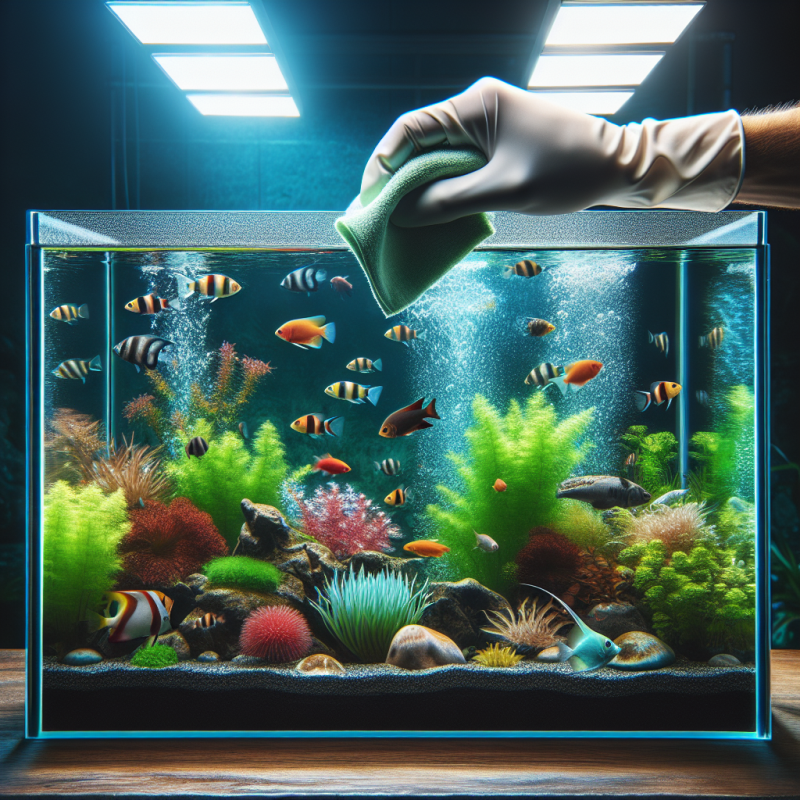
First off, regular water changes are a must. Aim to change about 10-15% of the water each week. This helps remove harmful toxins, excess nutrients, and debris that can build up over time. Plus, fresh water makes for a happier environment for your fish. Just remember to use a water conditioner to neutralize chlorine and chloramines in tap water before adding it to your aquarium.
Next, invest in a good filter. A quality filter keeps your water circulating and helps remove waste. Look for one that suits your tank's size and the type of fish you have. Canister filters are great for larger tanks, while hang-on-back filters do wonders for smaller setups. Make sure to clean the filter media regularly, but don’t do it all at once; this keeps beneficial bacteria thriving.
Finally, test your water regularly. You can buy test kits to check levels of ammonia, nitrites, and nitrates. Keeping these levels in check can prevent diseases and make sure your fish thrive. If things seem off, you can take action quickly, whether that’s adjusting your feeding schedule or investigating any hidden issues in the tank.
Choosing the Right Test Kits
First up, let’s talk about pH test kits. The pH level of your water affects everything from fish health to plant growth. You can find liquid test kits or test strips. Liquid kits tend to be more accurate, but strips are much quicker and easier to use. If you’re just starting out, you might want to grab a pH test strip kit for convenience.
Next, ammonia test kits are a must. Ammonia can build up quickly in your tank and can be harmful to fish. Look for a kit that offers both high and low range readings so you can catch any ammonia issues before they become serious. Some test kits even come with easy-to-read color charts, making it simple to spot trouble.
Don't forget about nitrite and nitrate tests. Nitro-bacteria helps break down waste, but nitrites can be harmful if they spike. Nitrates are usually less harmful but still need monitoring. A good test kit will cover both these elements. You can buy them separately or find comprehensive kits that test for all the essentials in one package.
So, remember to invest in reliable test kits. They help you keep an eye on your aquarium’s ecosystem and keep your aquatic friends thriving. Check the expiration dates on your kits, too—outdated tests can give you misleading results!