Keeping your aquarium water fresh is key to a happy, healthy aquatic environment. Stale or dirty water can stress your fish and other inhabitants, so let's dive into some easy ways to maintain that crystal-clear look.
First up, regular water changes are essential. Aim to replace about 10-15% of the water weekly. This process keeps your tank in check by removing toxins and debris. Just use a siphon to remove the old water, and add in some treated water to avoid chlorine surprises.
Next, invest in a quality filter. A good filter helps to clean the water by removing waste and circulating it, ensuring that your fish have a clean and safe home. Look for filters that match your tank size. It's worth spending a little more on reliable brands for the best results.
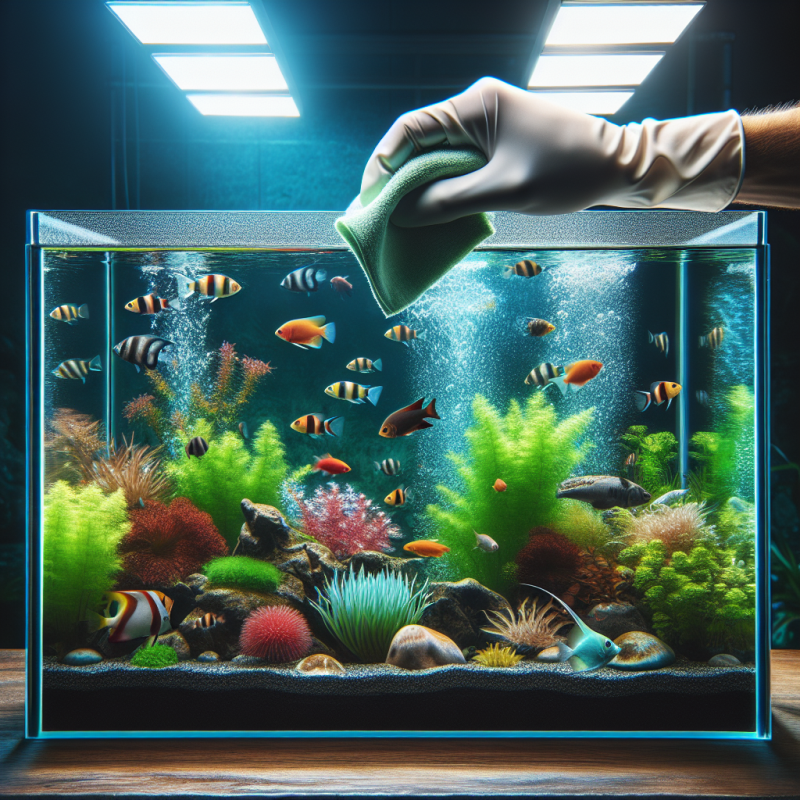
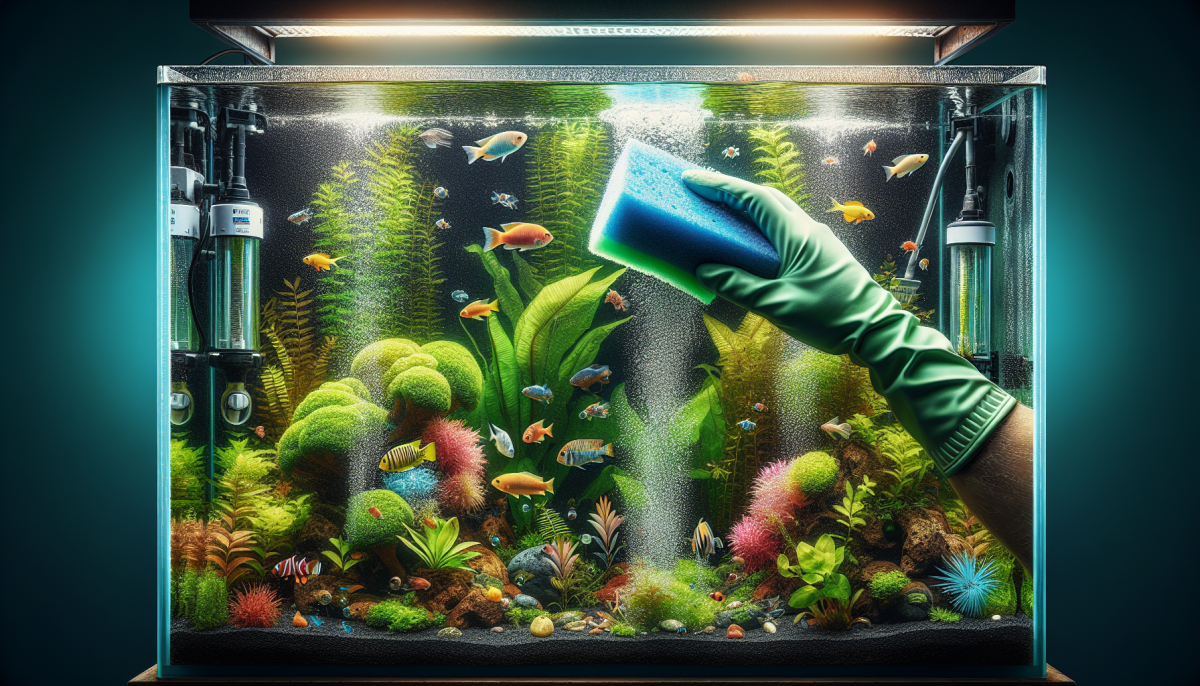
Don't forget about giving your tank a good scrub every now and then! Algae can quickly build up on the glass and decorations. Use a soft sponge or algae pad to wipe things down, but steer clear of harsh chemicals. Keeping things clean will not only look better but also keeps your water fresher for longer.
Finally, monitor your water parameters regularly. A simple test kit can help you check levels like pH, ammonia, and nitrates. Keep an eye on these numbers to catch any issues early. Healthy water leads to happy fish, and that’s the ultimate goal!
Choose the Right Filter
Choosing the right filter for your aquarium is super important to keep your fish happy and your water clear. Filters help clean the water by removing dirt, debris, and harmful chemicals. You’ve got a couple of main types to think about: internal filters and external filters.
Internal filters are great for smaller tanks. They sit inside the aquarium, taking up minimal space. They’re usually pretty easy to set up and maintain. Plus, they provide some water movement, which your fish will enjoy. If you have a tank that's around 10 to 20 gallons, an internal filter can be a perfect fit.
On the flip side, if you've got a larger setup or want something that can handle lots of fish, an external filter might be the way to go. These filters sit outside the tank and can process a lot of water, meaning they usually require less frequent cleaning. They’re perfect for tanks over 20 gallons and can keep the water quality top-notch!
Remember to look at the filter's flow rate too. A filter that's too strong might stress out your fish, while one that’s too weak won’t do a good job cleaning. Aim for a filter that can handle about 4 to 5 times the volume of your tank per hour. That’ll help you keep the environment healthy and pleasant for your aquatic buddies!
Maintain Healthy Decor
Keeping your aquarium décor healthy isn't just for looks; it helps your fish thrive too. When you take care of decorations, you're also creating a safe and clean environment for your aquatic buddies. Here are some simple tips to keep those decorations in tip-top shape.
Start by regularly checking for algae buildup. A little algae can look nice, but too much can be harmful. Grab a soft brush or an aquarium-safe scraper to gently scrub away the green stuff. It's a quick job that keeps your decorations looking fresh and your fish happy.
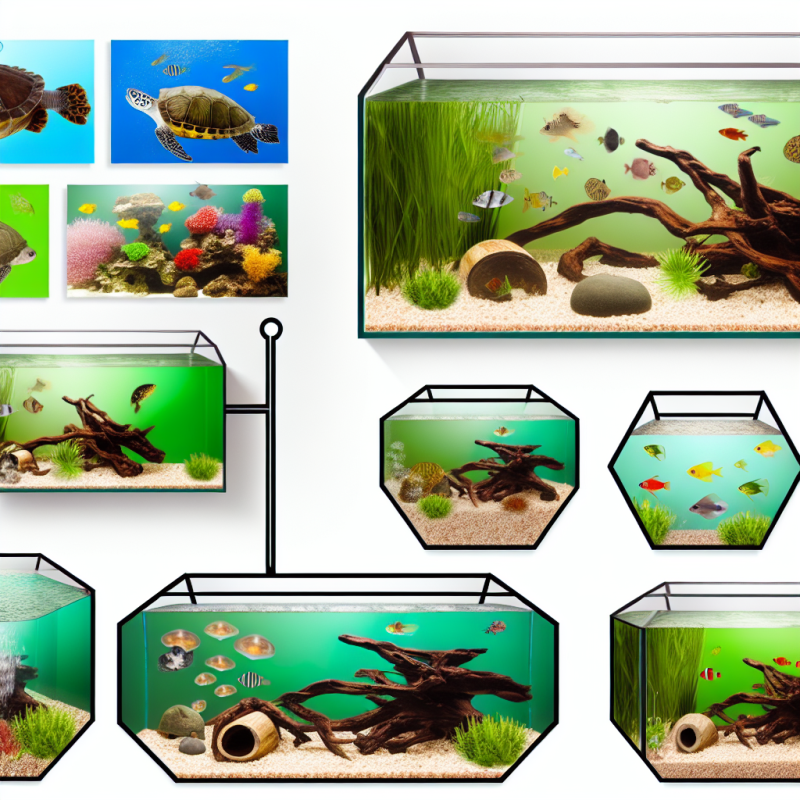
Consider your choice of décor materials. Natural materials like slate, driftwood, and rocks can make your tank look stunning, but they can also trap unwanted waste. Rinse these items before placing them in your tank, and give them a good scrub every few weeks to prevent sludge buildup.
Don’t forget about plants! Live plants can enhance your aquarium's health by providing oxygen and improving water quality. Trim dead leaves regularly and replace any plants that don't seem to thrive. If you're using artificial plants, a quick rinse in warm water now and then will keep them looking vibrant.
Lastly, check for rough edges or sharp points on your decorations. Smooth them out if you find any, as they can scratch or injure your fish. Keeping everything safe and tidy is key to making your aquarium a healthy home for your fish.
Feed Fish the Right Way
Feeding your fish the right way is key to keeping your aquarium in tip-top shape. You want your fish to thrive, and that means giving them a balanced diet. Overfeeding can lead to a dirty tank, so it's important to know how much and when to feed.
Start with high-quality fish food that fits your fish's species. Some love flakes, while others prefer pellets or frozen food. Check the instructions on the packaging for portion sizes. A good rule of thumb is to feed only what your fish can eat in about two to three minutes.
Don’t just dump in a big handful of food! Give small amounts at a time. If your fish are swimming around excitedly and gobbling it up, that’s awesome! But if there’s food left floating after a few minutes, you’ve put in too much. Scoop out the leftover food to prevent it from breaking down and clouding your tank.
Feeding schedules can also vary. Some fish do well with once a day feeding, while others might need a couple of smaller meals. Keep an eye on your fish and adjust as needed. They’ll let you know what they prefer!